One input for two starting points
Keywords and recognized YouTube URLs use the same form. The Search or Convert label follows the input so the next action remains understandable.

Tubidy brings music searches and video links into a compact browser workflow. Start with a keyword when you are browsing, or paste a YouTube URL when the source is already clear. Choose an available MP3 for listening or MP4 when the picture matters, then follow the transfer in your phone's browser instead of guessing where the file went.
The local chart is temporarily unavailable. Search for a title or artist above.


Type the title or paste the source link into the search field. Use the Paste control when supported, or your phone's normal text-paste action.
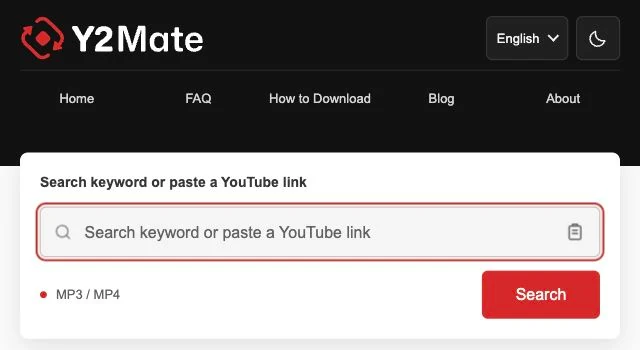
Check the recording before opening its formats. Choose audio for sound alone, or look for an offered video file when demonstrations and visible text are important.

Select the available download and watch the browser's progress. Open the completed item from Downloads or the device's files app to confirm it plays.
Keywords and recognized YouTube URLs use the same form. The Search or Convert label follows the input so the next action remains understandable.
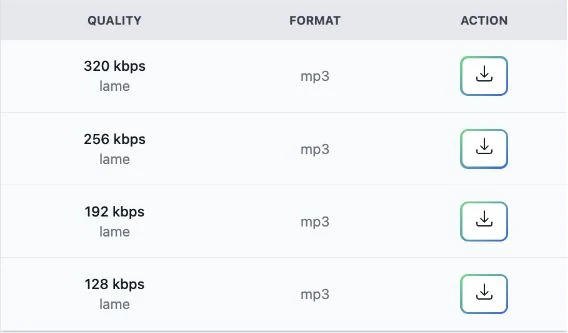
The format decision belongs to the selected recording. Review the available output instead of assuming that every result has the same video resolution or audio setting.
The shared page controls let you choose a language and switch between light and dark appearance. These interface choices do not change the media's sound or color.
A short spoken lesson may be convenient as MP3, while a repair demonstration needs its picture. On a phone, it is easy to choose quickly and notice missing visual context later. Take a moment to identify what makes the recording useful before deciding that audio alone is enough.
Available storage and your connection both matter, particularly for a long video. Read any size information actually offered and avoid starting several large transfers at once. A quality label is not an exact storage estimate. Keep the browser's progress visible until you know whether the selected file finished.
The phone may place the download in Files or Downloads rather than inside Music or Photos. Start from the browser's completed-download entry to identify its location. Open the actual file once, keep its extension unchanged, and give it a useful name if you intend to return to it later.
This Tubidy page is part of Y2Mate's website, not a claim of a separate mobile application or a connection to another brand owner. Output depends on the accessible source and provider. Use the page for recordings you may save; private or restricted material is not automatically made available by a download request.
This page uses a browser workflow. Installing a separate app is not a step required by its search and conversion form.
The same page offers its search and link controls in a desktop browser. File locations then follow that browser and operating system.
Touch and hold the input and use your device's Paste action, or enter the text manually. Clipboard support and permissions vary.
Choose according to the content you need. Audio can suit listening, while video retains the picture when it is essential.
No. Light and dark appearance affect the website, not the brightness, color, or encoded properties of the downloaded recording.
Check Safari's Downloads entry and the Files location configured for downloads. Saving a file does not always add it to Photos or Music.
Check the browser's download list and your device's file manager. The location can depend on browser settings and the transfer you selected.
Connection changes, storage limits, browser behavior, or the provider can interrupt a transfer. Check its status before trying one controlled retry.